Showing posts with label camel milk and urine. Show all posts

Thursday, February 16, 2012

Mirror Mirror On The Wall..

Who is the whitest of them all?

A fair complexion equals beauty in many cultures around the world. In Saudi-Arabia white is definitely the preferred skin tone for both men and women. But like most things in the world, the pressure of being fair is mainly placed upon the woman. Sadly, mothers and other female family members are the ones maintaining and contributing to this phenomenon.
The obsession of white skin tone starts when the baby is still in the mother's womb. Expecting mothers might be instructed to eat certain foods to help "make" their baby develop whiter skin. They say adding saffron to milk makes white babies. Pregnant women might be told to avoid coffee, iron tablets or dark chocolate. Such ignorance when everyone today should know it's up to your genes! If some women really think it has some effect, shouldn't they as Muslims avoid changing God's creation anyways?


Daughters will be kept inside the house and not allowed to play in the sun in fear of exposing the skin to the tanning effects of the sun. Never mind the health benefits such as obtaining vitamin D from the suns rays. The levels of vit. D of Saudi women are alarmingly low, one of the lowest in the world. Vitamin D deficiency causes multiple health problems to the mothers and the children. Complete veiling of the body would also have an effect on the low levels.

So the couped up girls spend their childhood mostly indoors while boys of course can do what they want and play outside all they like. Girls worry about their knees and elbows not becoming too dark from playing on the floor like their mothers warned them. It's very common to hear comments on children's skin tone here. People will even talk about their own kids to other people pointing out how this one is much whiter than that one. How this sister is so white and beautiful while the other is dark and ugly. I can't even imagine the damage this does to the girls self esteem.

When the Saudi girl starts menstruating their childhood is over and many will be forced by their families to suddenly veil their entire bodies. Check out how miserable blogger Omaima felt when she had to wear the abaya for the first time: http://omaimanajjar.wordpress.com/2012/01/12/how-i-felt-when-i-wore-an-abaya-for-the-first-time/
Reaching puberty will also further increase the pressure of a whiter skin tone and this is when many girls start trying different treatments.


When Saudi men start seeking for brides they inform their mothers who then start looking for potential wives at weddings and other social functions. Young women will come to show off to weddings for this very reason. The man will often have a few desires on his list of requirements of the woman's appearance. Most often than not, white skin tone is on the top of the list. Second in line would come straight hair, perhaps large boobs, small nose. Seriously, men say these things to their mothers! As if they are in search of cattle.
Under this immense pressure to have a white skin tone and keeping in mind how it might raise their chances of landing a good husband, the Saudi woman will go to great lengths to obtain a pale complex. Some mothers will be obsessed with the daughters skin tone from birth which continues this vicious cycle.

Most women will opt for whitening creams which are extremely popular around Asia and the ME. I personally never saw so many types and brands of whitening creams in my life. Most are marketed to give you a "healthy glow".

When I first moved to the Kingdom I remember searching for a TANNING cream at the pharmacy. I was in awe of all the whitening products and while browsing the aisle an Arab male pharmacist approached me. He took a jar from the shelf and asked me "I think this is what you're looking for ma'm". I looked at the product, wondering how on earth could this man telepathically know I was searching for a self tanner. But lo and behold what the pervert had just suggested! It was a whitening cream specifically for private parts! I other words your VJ!
I wanted to slap him right then and there but could not utter a word from my disgust and amazement. I just turned around and walked away.

After I recovered from my initial shock I was able to think about it. Why would a woman put something potentially harmful on her private parts just to please a man?Why would someone want to bleach their VJ for God's sake? Is this one of the requirements Saudi men have for their brides? Can you believe they have a website dedicated to whitening your tidbits?http://vaginalbleaching.org/

So there are all sorts of whitening creams out there. Also, all sorts of home-made whitening creams are available. They are the most sought after products because they contain ingredients that are banned from the market. Anything that has been banned for sale because of harmful ingredients should be avoided like the plague right? Nope.

Now this reminds me of a tragic story of one young bride to be.
A teenage Saudi girl was engaged and in preparations for her wedding, had obtained one of these whitening products available on the black market. A while after she had started using it she got an eye and skin infection. The infection did not improve with oral antibiotics and she was taken into the hospital for treatment.

After a while the infection was so bad it has reached her eyes and they had to remove her eyeballs. They could not control the infection. She lost both her eyes. She was in the hospital for weeks but doctors were not able to cure her. Finally the infection spread into her bloodstream and days after she passed away.

What an unnecessary, sad and maddening death! An innocent hopeful bride that just wanted to look more beautiful on her wedding day. Just because the society she lives in tells her she is not beautiful enough as she is, this tragedy had to happen. Just because of this sick twisted mentality of admiring white skin, a beautiful soul was lost.

Another strange way way of skin whitening is applying camel urine on the skin. yes, camel urine! It's true that camel urine has been proven to have whitening qualities. But who would want to rub it on their faces? Some women.

I had a patient whose family was into this camel urine and milk treatment. Don't get me wrong, camel's milk and urine have many proven health benefits, just check this article: http://blueabaya.blogspot.com/2010/06/camels-milk-urine-potential-cure-for.html
But one of the daughters had taken it to the extreme. She seemed surprisingly white compared to the others. She told me her secret was applying camel urine on her skin everyday, and mentioned how it works for female area as well. What? Now that can't be healthy! Just another example of the extreme measures women will go through for whiter skin.

Funny how most women in the west like to get a tan and hate pale complexions. I have to admit I used to be the kind of girl that always went to the beach for tanning and in Saudi I spent all my days off at the hospital pool enjoying the sunshine. In the west some women take tanning to the extreme using spray tanning, tanning booths and so on resulting in a year round "healthy glow".
You won't find many tanning booths in Saudi though, just go to any beauty salon in Saudi and instead they actually have whitening booths! Salons will have a wide variety of skin whitening treatments available. One of the newest trends is using laser.

It's really sad to witness this phenomenon in Saudi and elsewhere in the world. My daughter has already been effected by it. It's always pointed out how white she is. I have been requested by my husbands family members not to take her out in the sun so she wouldn't get tanned. When we got back from our summer holiday in Finland, where we spent most of our time out in the sunshine my daughter had tanned quite a lot and I heard some pretty negative comments on her new color.

I love that my daughter has a darker complexion than mine, I think it's beautiful. In Finland she is "dark" but in Saudi she is "white". I wish people would stop looking at the surface and look deeper for beauty in the person. The outer color really does not matter.

P.S. If you liked this post or if you're just a really, really nice and beautiful person, with an extra 37 seconds to spare, then would you please pretty please click here :http://2012.bloggi.es/ to vote for Blue Abaya at the 12th Annual Weblog Awards! Few days left for voting and Blue Abaya is nominated as Best Asian Blog. THANK YOU!!

Sunday, June 20, 2010

Bedouin Patients

The hospital I work in gets quite a few bedouins coming in for treatment from all around Saudi. It's a large tertiary referral hospital, which means many patients were referred there because they could not be treated elsewhere or their cases were so difficult or rare it needed special care. Which makes these patients even more interesting! Bedouins come to our hospital from all over Saudi-Arabia, but mainly from the tribes that originate around the Najd area. Read more here  http://en.wikipedia.org/wiki/Najd

What is generally meant by the term "Bedouin" is the nomadic Arab people who dwell in the desert areas reaching from Western Sahara to the Arabian Peninsula. Bedouins used to follow water and pastures and were nomadic, not staying in one place for a long period of time. Nowadays many of them have settled in certain areas and formed small towns cities like Dammam on the east coast of KSA.

The Bedouins are divided into tribes of which the largest ones are Al-Shammari (everywhere!) Al-Harbi (Mecca area), and Al-Mutairi, Al-Qahtani, Al-Subaie, Al-Dossary all originally from Najd valley and around. Most patients will have one of these very common surnames, kind of like mr. Smith or in Finland mr.Virtanen.

I work on an inpatient ward where nurses are typically assigned to 3-5 patients at a time. We look after them the whole 12 hour shift, usually for a few days in a row. This enables a lot of one on one time with the patients and since the patients will always have private rooms, women will be relaxed and at ease. I feel very lucky to have been able to take such an intimate look into their lives, culture and traditions.

In my opinion Bedouins are generally the nicest patients in all aspects. I've found them to be friendly, genuine, warm, curious, easy-going (hardly complain), they have excellent sense of humour, are talkative and just about the most hospitable people you will ever meet. Hardly any of them speak English though, and sometimes their Arabic accents are difficult (sometimes impossible!) for even our Saudi nurses to understand. So basic Arabic language skills are really essential for more interaction with them. But actually even before I learned Arabic I found it was easy to get along with them by using sign language! They were always in for a little fun!

Typically the Bedouin patient will have one or two sitters present at all times. Read more about the way Saudis visit the sick in hospitals here. They will have large families and it wouldn't be strange to see ones with over 10 children. Visitors often come every evening and they will enjoy a meal or coffee and dates together.

Bedouin patients tend to have a few peculiarities compared to other Saudis. Especially the really nomadic ones have habits that they continue in the hospital, like sleeping on the floor rather than the bed! They will take the sheets off the bed and put them on the floor. Not even the pillow is needed. The sitters have a sofabed available but it's hardly used. Bedouins like to keep things simple and they don't like "modern day luxury" such as bedding.

When the patient has guests they will usually eat on the floor and with their hands. A sheet is spread on the floor and people will gather around it. Chairs and tables might be regarded as unnecessary luxuries. The youngest son or daughter will serve the food and tea or coffee out of respect to the elderly. They will most likely have their own tea or coffee pots with them in the hospital.

Guests will typically bring along dates, arabic sweets, camel milk or date filled small cakes called mammoul. The nurse will be invited to have a taste of their coffee and foods, sometimes they insist that the nurse joins them on the floor. If I have time on my hands I will sometimes join them for their dinner which they tend to eat very late. Usually long after ishaa prayers, near midnight!

I've encountered Bedouin patients that didn't know how to use the western style toilet. Some even made their business on the floor next to it. It's the first time they see a toilet seat and they don't know what to do with it.

The male Bedouins will often chew on miswak,which is a stick used to clean the teeth. Unfortunately some of them also spit on the floor after using it!

Another thing I've noticed is that Bedouins don't like to "waste" water. In other words take showers or wash their hair too often. I guess this comes from living in such harsh environments with constant lack of water. They use the water very sparingly to wash themselves, mainly it's used for performing ablutions (washing before prayer). It takes a lot of convincing or sometimes even doctors order to get them to wet themselves totally under running water!

Since they've been living all their lives in the desert, I figure their bodies have become accustomed to being warm all the time. The Bedouin patient will usually ask for the airconditioning to be turned off because they feel cold. It's actually not possible to turn it off, so then they will ask to get extra blankets even during hot summer months. The men wear thobes made out of thick wool in the winter, which for them seems to end around May when the temperature starts raising above 40. Especially in the winter months they will have layers after layers of thick clothing even though the heating is on max in the room. The women and the men like to keep their own clothing on instead of changing to hospital gowns.

When a Bedouin patient has fever he/she will be very afraid of "cooling" themselves. The more they have fever, the more the clothing and blankets will be on. Sometimes an offer of applying an icepack will result in surprises and suspicious looks. They might politely take it, but when the nurse leaves off it comes! This is sometimes a bit frustrating because the patients are convinced that warm is good cold is bad!

Bedouins love henna. Older men will sometimes color their beards with it, resulting in an orange tinged tone. Older ladies with grey hair use henna which results in the same orangy tone as the mens beards. The women will color their long naturally coal black hair with it resulting in a nice dark red tinge. Additionally they might apply decorative patterns on their hands for special occasions like Eids and weddings. The everyday henna for the hands is applied to the palms and tips of fingers so that it looks like they have very dark orange nail polish on. First time I saw this I thought to myself boy are those some dirty hands! The women will do the same with the soles of their feet and toes.

Some elderly women have tattoos on their faces sort of look like map signs. I'm not sure what they use to do them but the color is usually dark blue. It will look like small markings resembling X's or T's around her cheeks, forehead and temples. I found out this is a sign that the lady in question is of high status within her tribe. She might be the eldest woman of her tribe.

Most elderly patients will likely not know their exact age and might only be able to give you an estimate. Older generation Saudis didn't register births and they also count age according to the Hijri calendar. Also Saudi-Arabia didn't register female births until the 1970's. Estimating their age is not easy because of the harsh weather and constant exposure to sun, Bedouin often look older than their actual age. I've had very old Bedouin patients, some reaching over 100 years. They might have been healthy and never visited a hospital up to that day they come in.

Another peculiar thing which I've noticed is some of the older generation have a thin thread tied to their waists. First time I encountered one I immediately wanted to cut it off because of infection risk. They strictly refused and seemed horrified of my suggestion to remove it even though it was already harming the skin because it had become too tight. I've seen this on both men and women.
The reason for this is that they don't want to get fat so it's a weight control belt! The thread is there to remind you that you've eaten too much when the thread feels uncomfortably tight.
I wonder would this be worth patenting? The Bedouin weight loss belt!

Monday, June 7, 2010

Camel Milk & Urine Medicine

I once had a patient with liver cancer and the family told me he is on camel's milk and urine treatment.
My first reaction was, ugh that is just disgusting! I had heard before of the benefits of camels milk but never thought too much about it.
However now I wanted to look into it more because they told me it has been researched and proven to have many beneficial and medicinal qualities.

There are Hadith about the Prophet Mohammed prescribing camels milk and urine as a treatment, so its benefits have actually been known by arab muslims for centuries.

"A group of people came to Medina, became ill and their bellies got swollen ..the Prophet ordered them to go to the herd of Milch camels and to drink their milk and urine (as a medicine). So they went as directed and after they became healthy.."Sahih Bukhari, (Volume 1, Book 4, Number 234)"
An old remedy
I was surprised to find that urotherapy has actually been used around the world for treatment of various illnesses throughout times. Some used cow's urine, goats urine, and even humans own urine! In fact today the urine of pregnant horses is used for womens menopausal treatment. The medicine contains Premarin which is extracted from the urine.

Unique composition
Camel’s urine contains a number of healing factors such as antibiotics (bacteria that are present in it, salts and urea). The camel possesses an immune system that is highly equipped to combat funguses, bacteria and viruses, because of the antibodies that it contains. The most beneficial urine is that of the Bedouin camels known as najeeb.
http://faculty.ksu.edu.sa/shoeib/Pages/CamelUrineAbst(E).aspx

Broad spectrum use
Camels urine is a known remedy for low libido throughout times. It aids in bone growth in children and in strengthening the heart muscles. It may be used as a cleansing agent for cleaning wounds and sores, especially the urine of young she-camels. It also helps humans to grow their hair making it become strong and thick. Came urine helps to prevent hair loss and baldness, and can be used to treat dandruff.


Camel urine may also be used to treat blood clots and fibrinolytics may be derived from it. The urine may also be used to treat dropsy (which is caused by a deficiency in albumin and potassium camel’s urine is rich in both). Camel’s urine may also provide a remedy for abdominal complaints, liver diseases like hepatitis, and liver cirrhosis. Studies show it has a hepatoprotective (liver protecting) effect.

Came urine and treatment of cancer
Camel urine has been researched and found to have cytotoxic effects, comparable to the standard drug cyclophosphamide: http://www.ncbi.nlm.nih.gov/pubmed/8771453
Recently a Saudi female scientist has done extensive research on the benefits of camel urine and milk. Dr. Faten Abdel-Rahman Khorshid has been researching camel urine at King Abdul Aziz University for seven years and has since received an award for gold medal for innovation in the Kingdom in 2008. Her research was chosen one of the top six innovations of the year 2009 at the International Innovation and Technology Exhibition.
http://www.saudigazette.com.sa/index.cfm?method=home.regcon&contentID=2009071143333

Khorshid is combining specific amounts of camel milk and urine to develop her medicine and focuses on particular types of cancer, including lung cancer, blood cancers, stomach cancer, colon cancer, brain tumors and breast cancer.

Camel Milk Formula
My patients relatives gave me the specific formula dr. Korshid created for the treatment. It starts with a single dose of camels milk (30 ml) to be taken in the morning before breakfast. The milk should be hand milked from a wild grazing grass-only eating camel. The formula then proceeds in stages (if patient is tolerating) doubling the amount of milk, then to be taken twice daily until patient is taking 360 mls milk twice daily. The next phase then starts combining the milk with small amount urine (5mls) and increases slowly as tolerated.


Dr. Korshid concluded in her research that nano-particles in camels urine may help treat cancer!

Healing Milk
Camel's milk has numerous healing factors and the close analysis of camel milk shows medicinal potential. The milk protein lactoferrin, which is present in large quantities in camel milk (ten times higher than in cow milk), has some anti-viral and anti-bacterial properties. Fermented camel milk is high in lactic bacteria, which have been shown to be effective against pathogens including Bacillus, Staphylococcus, Salmonella and Escherichia. Vitamin C content in camel milk is generally double that in cow's milk.
Camel's milk causes a noticeable reduction in diabetic patients sugar levels and is beneficial for diabetic management.

Here's an interesting study on camel milk as an adjuvant therapy for the treatment of type 1 diabetes: Verification of a traditional ethnomedical practice
http://www.ncbi.nlm.nih.gov/pubmed/19459752

The beneficial effect of camel milk in diabetic nephropathy:
http://www.ncbi.nlm.nih.gov/pubmed/19848050

Camel milk and its effect on treatment of hepatitis:
http://www.ncbi.nlm.nih.gov/pubmed/19426601

Camel milk and urine might have some huge medicinal potential in them but it definately needs more research.. In the future camel owners might be (even) more rich than they are now!

Friday, May 28, 2010

Camels-Miracles Of The Desert

Camels, the animals designed specifically to survive in the harshest of environments-the desert.Every single detail of the camel has been carefully designed and constructed to perfection.
It is one of the few animals specifically mentioned in the Quran:

"Have they not looked at the camel - how it was created?" (Surat al-Ghashiyah: 17)

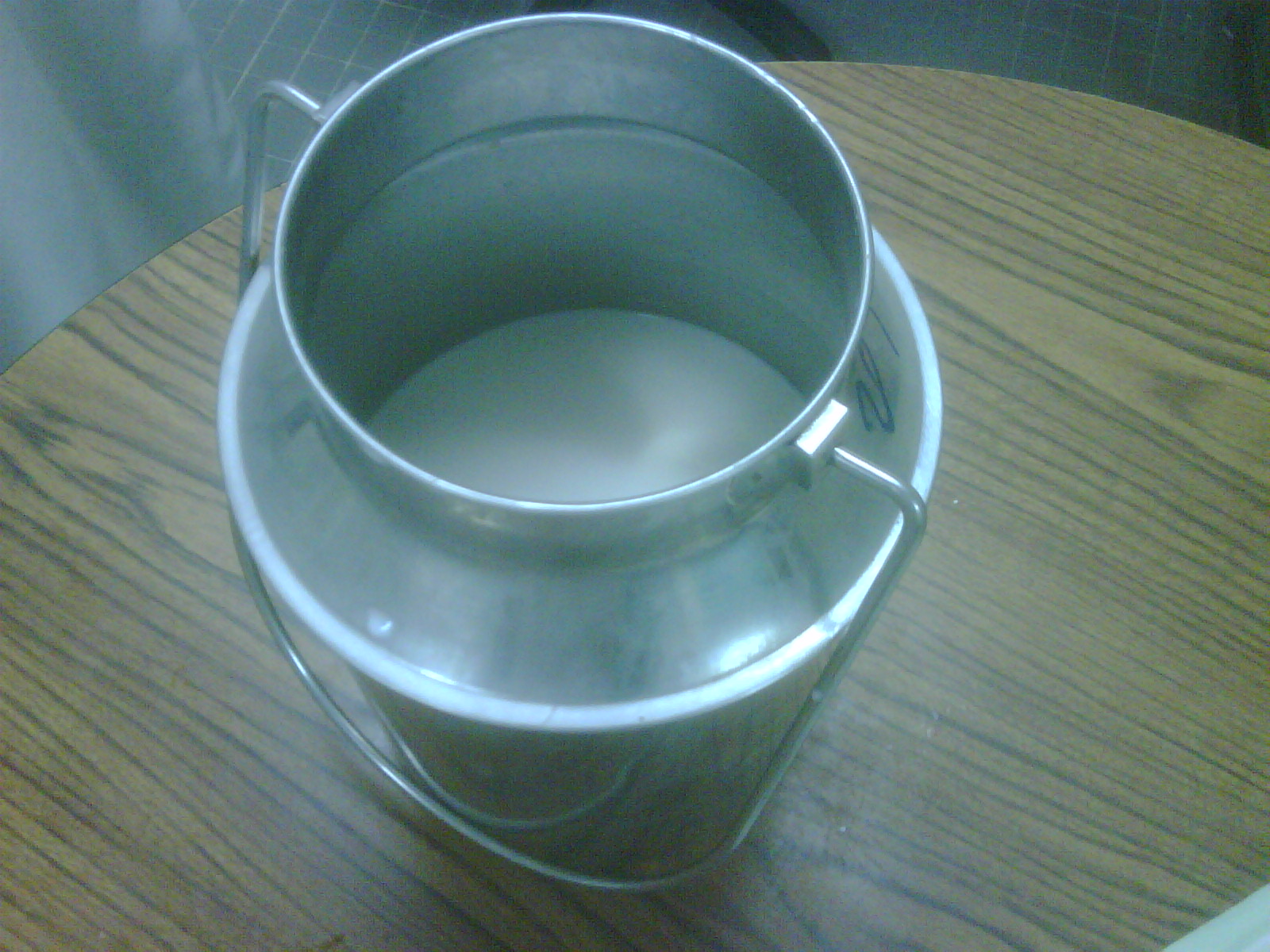
A patient of mine recently gave me some freshly milked camel milk to taste and mentioned all the health benefits that it has.  It was so good that it inspired me to find out a little bit more about this amazing creature! 


Camel Anatomy
Numerous anatomical and physical adaptations have allowed the camel to survive the incredibly harsh environment of the desert. Heat storage within the body of the camel, selective brain cooling, fur, concentrated urine from unique kidneys, adaptions in the respiratory system, special physical features, unique blood consistency and hormones all serve as important characteristics for the camel in terms of thermo-regulation.

The camel actually increases its own body temperature during the scorching heat of the day. That way it minimizes water loss from evaporation. In the night it cools its body temperature down 7 degrees Celscius, saving almost 5 liters of water this way.
To protect the brain from overheating, the camel has an 'airconditioning" system installed.

The extreme survivor
The camel can survive up to eight days in 50-degree temperatures without eating or drinking-circumstances that would kill a human in 36 hours. It usually drinks 4 times in the summer and only one in the winter! Most of the time the camel is in a state of dehydration, but when it gets hydrated its physiological system quickly adapts to the massive change in body volume.
When the camel does find a source of water it stores it up. Camels can drink up to a third of their body weight of water in ten minutes meaning up to 130 litres in one go.

What's in the hump?
Contrary to common beliefs, the camel doesn't actually store water in the humps, but they consist of about 40 kg of fat!  Concentrating body fat in their humps minimizes heat evaporation and creates and insulation throughout the rest of their body. When this tissue is metabolized, it acts as a source of energy and yields more than 1 g of water for each 1 g of fat converted through reaction with oxygen from air. This process of fat metabolization generates a net loss of water through respiration for the oxygen required to convert the fat.


Special features
The camel's red blood cells have an oval shape, unlike those of other mammals which are circular. This is to facilitate their flow in a dehydrated state. These cells are also more stable in order to withstand high osmotic variation without rupturing when drinking large amounts of water. WOW!

The kidneys of the camel of course play an important role in water conservation.They have a special shape being able to produce very concentrated urine and thus increasing water retention. The concentration of the camels urine is higher than seawater, it resembles syrup in consistency. This also enables the camels to drink salty water without problems. Also the levels of hormones responsible for water levels significantly increase in the dehydrated camel.

Most of the food sources in the desert are dry and thorny so the camel’s digestive system has been created according to these harsh conditions. The animal’s teeth and lips are constructed to enable it to eat even sharp thorns with ease. Its stomach, which has a special design of its own, is strong enough to digest almost all plants found in the desert.


How camels survive in sandstorms
The eyelids of the camel protect the animal’s eyes from dust and grains of sand. However, they are also transparent and that enables it to see even with its eyes closed which would come in handy in the midst of a sandstorm. Its long, thick eyelashes are created to prevent dust from getting into the eyes.

There is also a special design in the camel’s nose. When sandstorms blow, it closes its nostrils with special lids. The nostrils are also designed to reduce loss of water through respiration with a unique cooling system and nasal passages that are able to absorb water that passes through them.

The camel’s feet are specially created for the desert so that it doesnt get stuck in the sand even if  its carrying hundreds of kilos loads on its back. The animal’s wide toes stop it from sinking in the sand and function just like snowshoes. Its long legs keep its body away from the burning heat of the desert floor.

Protection and perfection
The camel's body is covered in thick, hard fur. This protects the animal both from the burning rays of the sun by reflecting the heat and from the desert chill in the night which can go below zero.
Some parts of its body are covered in thick protective layers of skin that comes into contact with the ground when it sits on the scorching sand. This prevents the camel’s skin from burning.

These thick layers of skin are not calluses that develop over time; the camel is born with them. The equivalent to a human baby being born with thickened skin on the soles of its feet! This special design brings out the perfection of creation in the camel.
The thickened skin cannot be explained by the logic of the theory of evolution That and all its other extraordinary features reveal one evident truth: That the camel was specifically created by God to help man survive in the desert.


Camel in arabic actually comes from the word beauty. Arabs have known the curing affects of camel milk and urine (yes URINE) since the times of Prophet Muhammed who advised people to use it to treat certain illnesses like liver diseases and rashes. Recently scientists have proven this to be a fact. Camel milk on the other hand is especially beneficial for type1 diabetics, helps the digestive system, is cholesterol free, rich in vitami C and it even tastes good!

Read more on the health benefits of camel milk and urine here:http://blueabaya.blogspot.com/2010/06/camels-milk-urine-potential-cure-for.html