Showing posts with label camels. Show all posts

Tuesday, September 25, 2012

National Day Celebrations In Riyadh

The Kingdom of Saudi-Arabia celebrated its 82nd birthday on Sunday the 23rd of September. As usual, the streets were full of Saudis celebrating the National Day. In addition to everyone having Sunday off, King Abdullah had given an extra day off for government employees meaning many people got to enjoy a four day weekend which in Saudi-Arabia is normally Thursday and Friday.
 All the main streets and road were lined with Saudi flags. There must be literally tens of thousands of them. Wonder where they store them?
This year people had already began celebrating on Saturday and the streets flooded with cars flying Saudi flags and people hanging out of them. Tahlia street was fully packed with cars and young men ressed in the most creative outfits. Radio stations were playing patriotic songs and songs praising King Abdullah. Everything seemed to have turned green, including the Faisaliyah and Kingdom towers.
We went out on both evenings to see the celebrations. According to this Arab News article there would be celebrations in Kindy plaza at the Diplomatic Quarters where thousands of Saudi flags would be distributed and there would be a special program there. We live nearby and went to check it out, there was nothing there to our disappointment! Strangely the article also said malls such as Panorama and Hayat would have programs for kid, but in reality the malls remained closed on Sunday. I wonder how many people went all the way to these locations only to find out there was nothing there.
There were many other events around town though and we headed to check them out. There was a small festival area set up in the historical Diriyah area. We drove around the Wadi Hanifa and saw many families had set up fires and BBQ's around the wadi. The weather is finally cooling down and evenings in the wadi are very pleasant.
The Diriyah festival had some traditional dancing and music, poetry recitals, small handicraft market and camel rides.


I love how so many Saudi women relax and let go of their cultural restrictions in public on occasions such as National day. 

 A Saudi baba was showing how to make Arabic coffee by the fire.

Everyone was in high spirits and donning at least a Saudi flag or something green!

 At the festival area I was busy taking pictures of all the people who were requesting to be photographed. I could have stood there all night because people were literally lining up.
I <3 clothes="clothes" cute="cute" kids="kids" little="little" on="on" p="p" saudi-arabia="saudi-arabia" the="the" theme="theme" these="these" was="was">


My friend likes camels! I'm still too scared to get this close.
I love you! This is what some children came up to say :)
Please please take my picture too!
My daughter was scared of the coffee making baba. The first thing she said when he took her in his lap was "aiti!" which means mommy.
Meanwhile on the streets kids were hanging out of car windows, doors, roof tops and even sitting on top of the cars!

Older men enjoyed the fun in pimped up rides.
These boys better hurry before muttawa catches them!
And what would National Day be without a muttawa patrol? Here they are supervising on Tahlia street. 
My daughter was in on the fun too!
It was a very HABBY Saudi National Day!

Thursday, November 4, 2010

Saudis And Finns-The Ultimate Survivors

I noticed saying to myself, it's starting to get a little chilly in Riyadh..Actually it was "only" +30C..How embarassing for a Finn! But it looks like winter is around the corner. Saudis have started switching to their thick wool abayas and thobes and my patients have the heating on full blow in their rooms.
Finns and Saudis might well be the last survivors if the world's temperature went in either extreme points. Both nations have ultimate endurance for cold/heat.
Here is a temperature table I created to illustrate how the Saudis and Finns would deal with such extremes:

+1063 C Gold starts melting. Saudi women take off their abayas.

+600 C Crude oil reaches boiling point. Saudis are happy they no longer need oil refineries.
Saudi camels complain of the burnt taste of the grass.
+100 C Water boils. Saudis turn on their air-conditioning.
The swimming pools in Saudi-Arabia now have warm water in them.
The only other surviving humans are Yemeni bedouins who covered themselves in mud and hid in the mountains.

+70 C The Saudis have changed to summer abayas and thobes.
The rest of the world has immigrated to Antarctica.
The Saudi camels ask to get shaved for the summer.

+60 C Saudis lower their car windows for a fresh breeze.
Saudi camels are enjoying the crisp air.

+45 C Saudis feel comfortable and have turned the heaters off. The weather is nice and cool for spring, time to plant some flowers and go camping in the desert.
The Spaniards all flock to the Alps.

+35 C The remaining survivors of the heat wave in Finland die.
The Saudis change into their winter thobes and abayas.
Saudi camels complain of the draft in the desert.

+25 C A heat wave warning is issued in Finland. Finns start to die from the heat stroke. Clothing has been shed off and Finns are naked.
Saudi camels start growing their winter coats. Saudis turn their heaters on.

+20 C The Finnish people are starting to get uncomfortable. They have shed all their clothing down to bathing suits to cope with the heat.
Saudis no longer venture out of their heated homes where they sit in their farwas (furs). The camels complain of frost on the grass.

+15 C
The Finns are sunbathing.
The Saudis start lighting bonfires inside their living rooms in order to survive the cold.
Finnish cows are shaved and fed grass popsicles to cope with the heat.

+10 C
The Finns are planting flowers in their gardens.
Saudis start dying of cold weather.
The French are eating frozen baguettes.

+5 C
The Finns are still driving their motorcycles in shorts.
The Italians are all migrating to Sardinia.
Saudis become an extinct race.

0 C
Water freezes. The rivers in Finland flow a little bit slower than normal. Finnish cows are let out to the meadows.
Swedes turn on their heaters.

-5 C
The Finns are having the last barbecue parties of the season.
The English farmers are finally putting their heaters on.

-10 C
The Finns are putting on long sleeved sweaters.
Eskimos move to their winter igloos.
Finnish cows are enjoying the fresh air.

-20 C
The Finns are getting ready for fall and are putting jackets on. Finnish babies are enjoying sleeping outside in their strollers.
The Greeks die of cold after having to eat frozen feta cheese.

-30 C
The Finns start drying their clothes inside. Finnish cows are taken into the barn for winter.
The Swedes have all moved into their fake saunas and are drinking Absolute vodka to warm up.

-40 C
The Finns are standing in line at the sausage stands. Finnish children are enjoying playing in the snow.
Russians have all fled to Egypt.
-50 C
The Finnish army is postponing their survival camp until the weather is cold enough. Finns turn on the seat-warmers in their cars.
The Swedish fake saunas no longer function.

-70 C
The Finnish army leaves to winter camp.
The polar bears start evacuating Antarctis. The Finns get frustrated because they can no longer cool their alcohol outside.

-170 C
The Finnish cows complain about cold hands when they are getting milked. The few other surviving humans are Russians who accidentally drank liquid nitrogen mistaking it for vodka.

-273C
Every movement in the atomical level stops.
The Finns are putting on wintercoats and cursing the cold weather.

-300 C
Hell freezes over. Team Finland wins the football World Cup.

Monday, June 7, 2010

Camel Milk & Urine Medicine

I once had a patient with liver cancer and the family told me he is on camel's milk and urine treatment.
My first reaction was, ugh that is just disgusting! I had heard before of the benefits of camels milk but never thought too much about it.
However now I wanted to look into it more because they told me it has been researched and proven to have many beneficial and medicinal qualities.

There are Hadith about the Prophet Mohammed prescribing camels milk and urine as a treatment, so its benefits have actually been known by arab muslims for centuries.

"A group of people came to Medina, became ill and their bellies got swollen ..the Prophet ordered them to go to the herd of Milch camels and to drink their milk and urine (as a medicine). So they went as directed and after they became healthy.."Sahih Bukhari, (Volume 1, Book 4, Number 234)"
An old remedy
I was surprised to find that urotherapy has actually been used around the world for treatment of various illnesses throughout times. Some used cow's urine, goats urine, and even humans own urine! In fact today the urine of pregnant horses is used for womens menopausal treatment. The medicine contains Premarin which is extracted from the urine.

Unique composition
Camel’s urine contains a number of healing factors such as antibiotics (bacteria that are present in it, salts and urea). The camel possesses an immune system that is highly equipped to combat funguses, bacteria and viruses, because of the antibodies that it contains. The most beneficial urine is that of the Bedouin camels known as najeeb.
http://faculty.ksu.edu.sa/shoeib/Pages/CamelUrineAbst(E).aspx

Broad spectrum use
Camels urine is a known remedy for low libido throughout times. It aids in bone growth in children and in strengthening the heart muscles. It may be used as a cleansing agent for cleaning wounds and sores, especially the urine of young she-camels. It also helps humans to grow their hair making it become strong and thick. Came urine helps to prevent hair loss and baldness, and can be used to treat dandruff.


Camel urine may also be used to treat blood clots and fibrinolytics may be derived from it. The urine may also be used to treat dropsy (which is caused by a deficiency in albumin and potassium camel’s urine is rich in both). Camel’s urine may also provide a remedy for abdominal complaints, liver diseases like hepatitis, and liver cirrhosis. Studies show it has a hepatoprotective (liver protecting) effect.

Came urine and treatment of cancer
Camel urine has been researched and found to have cytotoxic effects, comparable to the standard drug cyclophosphamide: http://www.ncbi.nlm.nih.gov/pubmed/8771453
Recently a Saudi female scientist has done extensive research on the benefits of camel urine and milk. Dr. Faten Abdel-Rahman Khorshid has been researching camel urine at King Abdul Aziz University for seven years and has since received an award for gold medal for innovation in the Kingdom in 2008. Her research was chosen one of the top six innovations of the year 2009 at the International Innovation and Technology Exhibition.
http://www.saudigazette.com.sa/index.cfm?method=home.regcon&contentID=2009071143333

Khorshid is combining specific amounts of camel milk and urine to develop her medicine and focuses on particular types of cancer, including lung cancer, blood cancers, stomach cancer, colon cancer, brain tumors and breast cancer.

Camel Milk Formula
My patients relatives gave me the specific formula dr. Korshid created for the treatment. It starts with a single dose of camels milk (30 ml) to be taken in the morning before breakfast. The milk should be hand milked from a wild grazing grass-only eating camel. The formula then proceeds in stages (if patient is tolerating) doubling the amount of milk, then to be taken twice daily until patient is taking 360 mls milk twice daily. The next phase then starts combining the milk with small amount urine (5mls) and increases slowly as tolerated.


Dr. Korshid concluded in her research that nano-particles in camels urine may help treat cancer!

Healing Milk
Camel's milk has numerous healing factors and the close analysis of camel milk shows medicinal potential. The milk protein lactoferrin, which is present in large quantities in camel milk (ten times higher than in cow milk), has some anti-viral and anti-bacterial properties. Fermented camel milk is high in lactic bacteria, which have been shown to be effective against pathogens including Bacillus, Staphylococcus, Salmonella and Escherichia. Vitamin C content in camel milk is generally double that in cow's milk.
Camel's milk causes a noticeable reduction in diabetic patients sugar levels and is beneficial for diabetic management.

Here's an interesting study on camel milk as an adjuvant therapy for the treatment of type 1 diabetes: Verification of a traditional ethnomedical practice
http://www.ncbi.nlm.nih.gov/pubmed/19459752

The beneficial effect of camel milk in diabetic nephropathy:
http://www.ncbi.nlm.nih.gov/pubmed/19848050

Camel milk and its effect on treatment of hepatitis:
http://www.ncbi.nlm.nih.gov/pubmed/19426601

Camel milk and urine might have some huge medicinal potential in them but it definately needs more research.. In the future camel owners might be (even) more rich than they are now!

Friday, May 28, 2010

Camels-Miracles Of The Desert

Camels, the animals designed specifically to survive in the harshest of environments-the desert.Every single detail of the camel has been carefully designed and constructed to perfection.
It is one of the few animals specifically mentioned in the Quran:

"Have they not looked at the camel - how it was created?" (Surat al-Ghashiyah: 17)

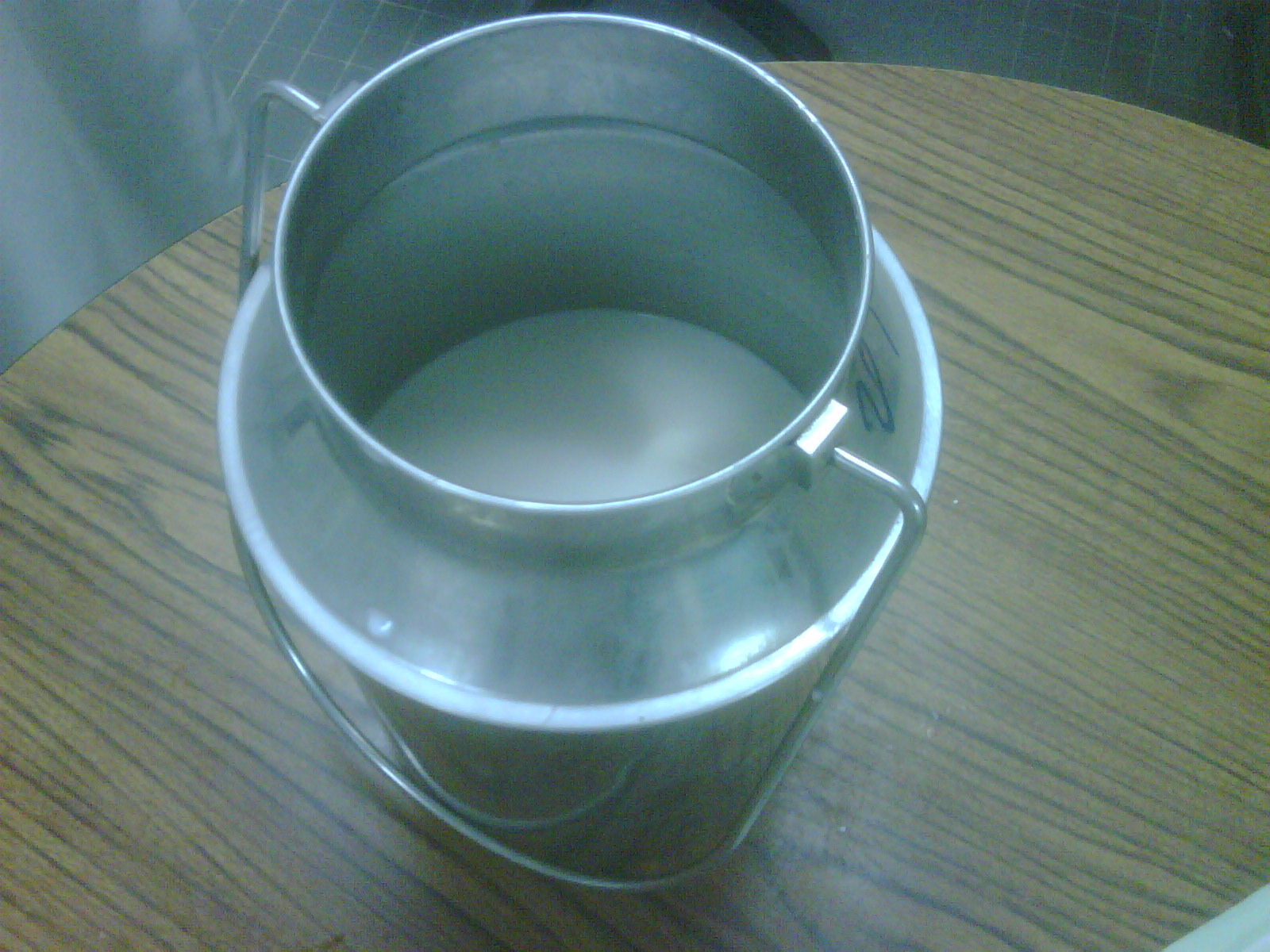
A patient of mine recently gave me some freshly milked camel milk to taste and mentioned all the health benefits that it has.  It was so good that it inspired me to find out a little bit more about this amazing creature! 


Camel Anatomy
Numerous anatomical and physical adaptations have allowed the camel to survive the incredibly harsh environment of the desert. Heat storage within the body of the camel, selective brain cooling, fur, concentrated urine from unique kidneys, adaptions in the respiratory system, special physical features, unique blood consistency and hormones all serve as important characteristics for the camel in terms of thermo-regulation.

The camel actually increases its own body temperature during the scorching heat of the day. That way it minimizes water loss from evaporation. In the night it cools its body temperature down 7 degrees Celscius, saving almost 5 liters of water this way.
To protect the brain from overheating, the camel has an 'airconditioning" system installed.

The extreme survivor
The camel can survive up to eight days in 50-degree temperatures without eating or drinking-circumstances that would kill a human in 36 hours. It usually drinks 4 times in the summer and only one in the winter! Most of the time the camel is in a state of dehydration, but when it gets hydrated its physiological system quickly adapts to the massive change in body volume.
When the camel does find a source of water it stores it up. Camels can drink up to a third of their body weight of water in ten minutes meaning up to 130 litres in one go.
What's in the hump?
Contrary to common beliefs, the camel doesn't actually store water in the humps, but they consist of about 40 kg of fat!  Concentrating body fat in their humps minimizes heat evaporation and creates and insulation throughout the rest of their body. When this tissue is metabolized, it acts as a source of energy and yields more than 1 g of water for each 1 g of fat converted through reaction with oxygen from air. This process of fat metabolization generates a net loss of water through respiration for the oxygen required to convert the fat.


Special features
The camel's red blood cells have an oval shape, unlike those of other mammals which are circular. This is to facilitate their flow in a dehydrated state. These cells are also more stable in order to withstand high osmotic variation without rupturing when drinking large amounts of water. WOW!

The kidneys of the camel of course play an important role in water conservation.They have a special shape being able to produce very concentrated urine and thus increasing water retention. The concentration of the camels urine is higher than seawater, it resembles syrup in consistency. This also enables the camels to drink salty water without problems. Also the levels of hormones responsible for water levels significantly increase in the dehydrated camel.

Most of the food sources in the desert are dry and thorny so the camel’s digestive system has been created according to these harsh conditions. The animal’s teeth and lips are constructed to enable it to eat even sharp thorns with ease. Its stomach, which has a special design of its own, is strong enough to digest almost all plants found in the desert.


How camels survive in sandstorms
The eyelids of the camel protect the animal’s eyes from dust and grains of sand. However, they are also transparent and that enables it to see even with its eyes closed which would come in handy in the midst of a sandstorm. Its long, thick eyelashes are created to prevent dust from getting into the eyes.

There is also a special design in the camel’s nose. When sandstorms blow, it closes its nostrils with special lids. The nostrils are also designed to reduce loss of water through respiration with a unique cooling system and nasal passages that are able to absorb water that passes through them.

The camel’s feet are specially created for the desert so that it doesnt get stuck in the sand even if  its carrying hundreds of kilos loads on its back. The animal’s wide toes stop it from sinking in the sand and function just like snowshoes. Its long legs keep its body away from the burning heat of the desert floor.

Protection and perfection
The camel's body is covered in thick, hard fur. This protects the animal both from the burning rays of the sun by reflecting the heat and from the desert chill in the night which can go below zero.
Some parts of its body are covered in thick protective layers of skin that comes into contact with the ground when it sits on the scorching sand. This prevents the camel’s skin from burning.

These thick layers of skin are not calluses that develop over time; the camel is born with them. The equivalent to a human baby being born with thickened skin on the soles of its feet! This special design brings out the perfection of creation in the camel.
The thickened skin cannot be explained by the logic of the theory of evolution That and all its other extraordinary features reveal one evident truth: That the camel was specifically created by God to help man survive in the desert.


Camel in arabic actually comes from the word beauty. Arabs have known the curing affects of camel milk and urine (yes URINE) since the times of Prophet Muhammed who advised people to use it to treat certain illnesses like liver diseases and rashes. Recently scientists have proven this to be a fact. Camel milk on the other hand is especially beneficial for type1 diabetics, helps the digestive system, is cholesterol free, rich in vitami C and it even tastes good!

Read more on the health benefits of camel milk and urine here:http://blueabaya.blogspot.com/2010/06/camels-milk-urine-potential-cure-for.html